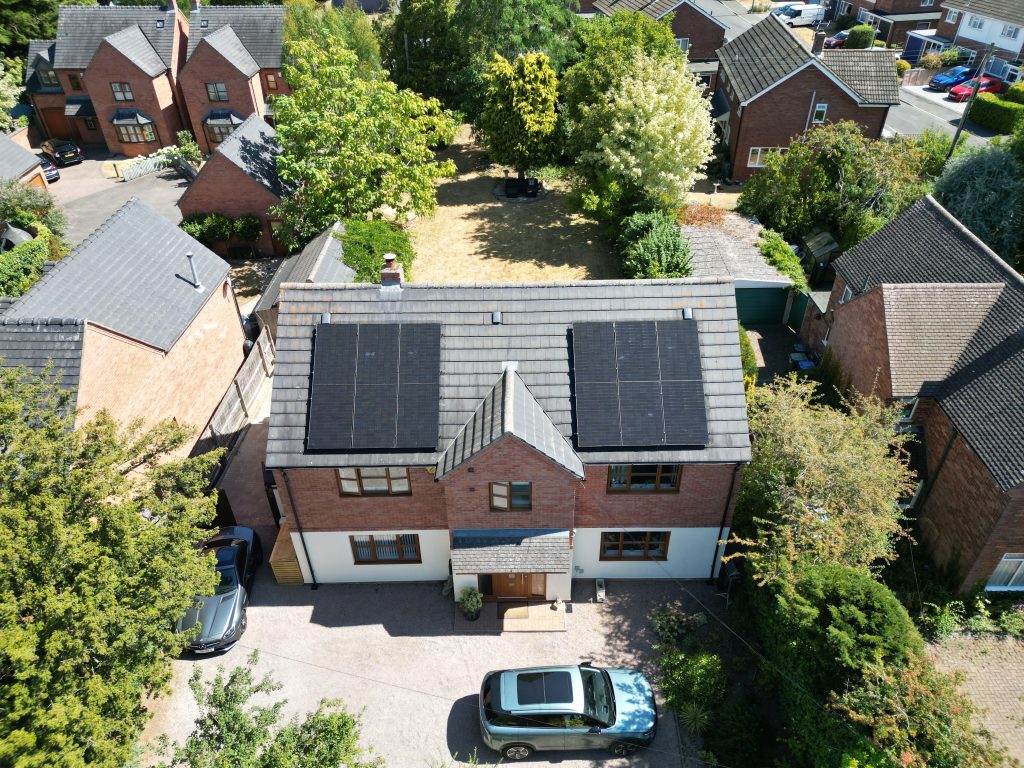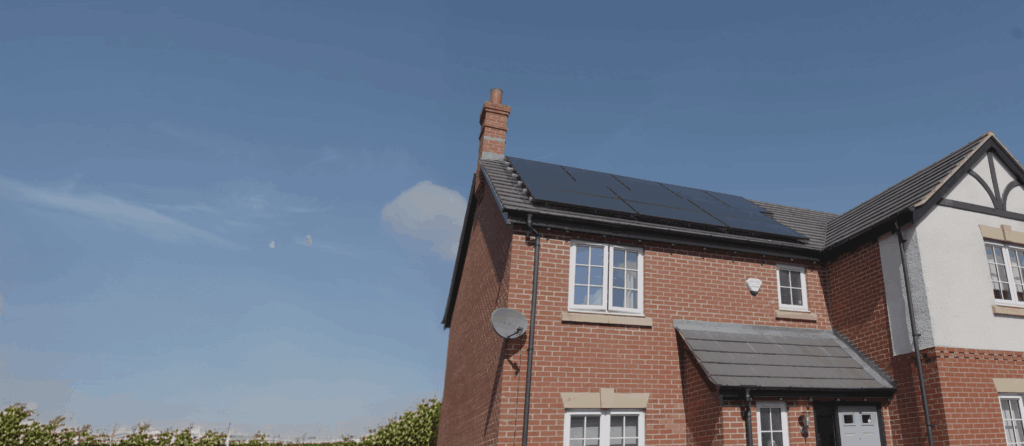
If you’ve been thinking about solar panels but aren’t sure whether your house is actually suitable, you’re not alone.
One of the biggest questions homeowners ask is:
“Would solar even work properly on my home?”
The good news is, more homes are suitable than people think. You don’t need a huge house, perfect weather, or a completely south-facing roof to benefit from solar. But there are a few things that can make a home especially well-suited to generating its own electricity.
So, here are 5 signs your home could be a great candidate for solar panels in the UK.
1. Your Roof Gets a Good Amount of Daylight
This is usually the first thing people think about. But contrary to popular belief, solar panels don’t need constant heat or blazing sunshine to work. They generate electricity from daylight, which means they still produce power on cloudy UK days too. That said, roofs that receive more sunlight throughout the day will usually generate more electricity overall.
Typically:
- South-facing roofs perform best
- East and west-facing roofs can still work very well
- North-facing roofs are usually less effective
A lot of homeowners assume their roof “isn’t suitable” when it could perform far better than they expect.
2. Your Roof Has Minimal Shading
Shade is another important factor when it comes to solar performance.
Things like:
- Large trees
- Chimneys
- Nearby buildings
- Dormers or roof features
can cast shadows across panels during the day, which may reduce generation. However, some shading doesn’t automatically rule solar out. Modern solar technology is far more advanced than it used to be, and many systems can still perform well even with partial shading.
Homes with clear, open roof space generally achieve the strongest generation, but every property is different.
3. Your Household Uses a Fair Amount of Electricity
Solar tends to make the biggest difference in homes with average or above-average electricity usage. This is because the more electricity you currently buy from the grid, the more opportunity there is to replace some of that with your own generated power.
Homes that often benefit most include:
- Families
- EV owners
- People working from home
- Homes using electric heating
- Households with higher daytime energy usage
If your electricity bills have been climbing over the last few years, solar is becoming a much more serious conversation for many homeowners.
4. Someone Is Usually Home During the Day
One of the best ways to maximise savings with solar is by using the electricity while it’s being generated. So homes where somebody is often in during daylight hours can benefit particularly well.
That could include:
- Remote workers
- Parents at home
- Retired homeowners
- Shift workers
- EV charging during the day
The more solar electricity you use yourself, the less electricity you need to buy from the grid. Even if you’re out most of the day though, solar can still absolutely be worthwhile, especially with battery storage or export schemes that allow you to benefit from unused generation.
5. You Have Enough Usable Roof Space
You don’t necessarily need a massive roof to make solar worthwhile. But having a decent amount of usable roof space does help fit enough panels to make a noticeable impact on your electricity usage.
Things that can affect usable space include:
- Skylights
- Roof shape
- Extensions
- Vent placements
- Chimneys
What matters most isn’t always the overall size of the roof, it’s how much practical space is available for panels. Sometimes a smaller, well-positioned roof can outperform a much larger one.
What If Your Home Isn’t “Perfect” for Solar?
This is probably the biggest misconception around solar panels. Your home does not need to tick every single box perfectly.
In reality, many homes with:
- Some shading
- East or west-facing roofs
- Moderate electricity usage
can still be excellent candidates for solar.
The only real way to know how well solar could work for your home is to have it assessed properly. A lot of homeowners are surprised by how much electricity their roof could actually generate.
So, Is Your Home Suitable for Solar?
If your home has:
- Good daylight exposure
- Reasonable roof space
- Average or higher electricity usage
there’s a strong chance solar could work well for you and with energy prices remaining unpredictable, more homeowners are now looking at solar as a practical way to reduce long-term household costs, not just as an environmental upgrade.
At the end of the day, every bit of electricity your home generates itself is electricity you don’t have to keep buying from the grid.
Frequently Asked Questions
-
Do solar panels need direct sunlight to work?
No. Solar panels generate electricity from daylight, so they still work on cloudy days. Direct sunlight simply increases output.
-
Is a south-facing roof essential for solar?
No. South-facing roofs generally produce the highest output, but east and west-facing roofs can still perform very well in the UK.
-
Does shading make solar impossible?
Not at all. While heavy shading can reduce generation, many homes with partial shading can still benefit from solar depending on the system design.
-
How much roof space do I need for solar panels?
It depends on your electricity usage and the size of the system, but many standard UK homes have enough roof space for a worthwhile installation.
-
Is solar still worth it if I’m out during the day?
Yes. Battery storage and export schemes can still make solar worthwhile, although homes with daytime electricity usage often maximise savings more effectively.
View Article Sources
GOV.UK – Department for Energy Security & Net Zero
Regional and local authority electricity consumption statistics – GOV.UK
GOV.UK – Energy Consumption in the UK 2024
Energy Consumption in the UK – GOV.UK
Energy Saving Trust
Solar panels: costs, savings and benefits explained – Energy Saving Trust
Ofgem